Gear
Tennis Shoes vs Regular Trainers: What Beginners Need to Know
Chloe · 22 June 2026 · 7 min read
If you are just starting tennis, you might be wondering whether you really need tennis shoes — or whether your regular trainers, running shoes, or gym shoes are fine for a first lesson.
The honest answer is: for one very gentle beginner session, you may be able to get by with clean, supportive trainers. But if you plan to keep playing, tennis shoes are one of the first pieces of gear worth getting right.
Not because tennis has a strict fashion rule. Because tennis movement is different.
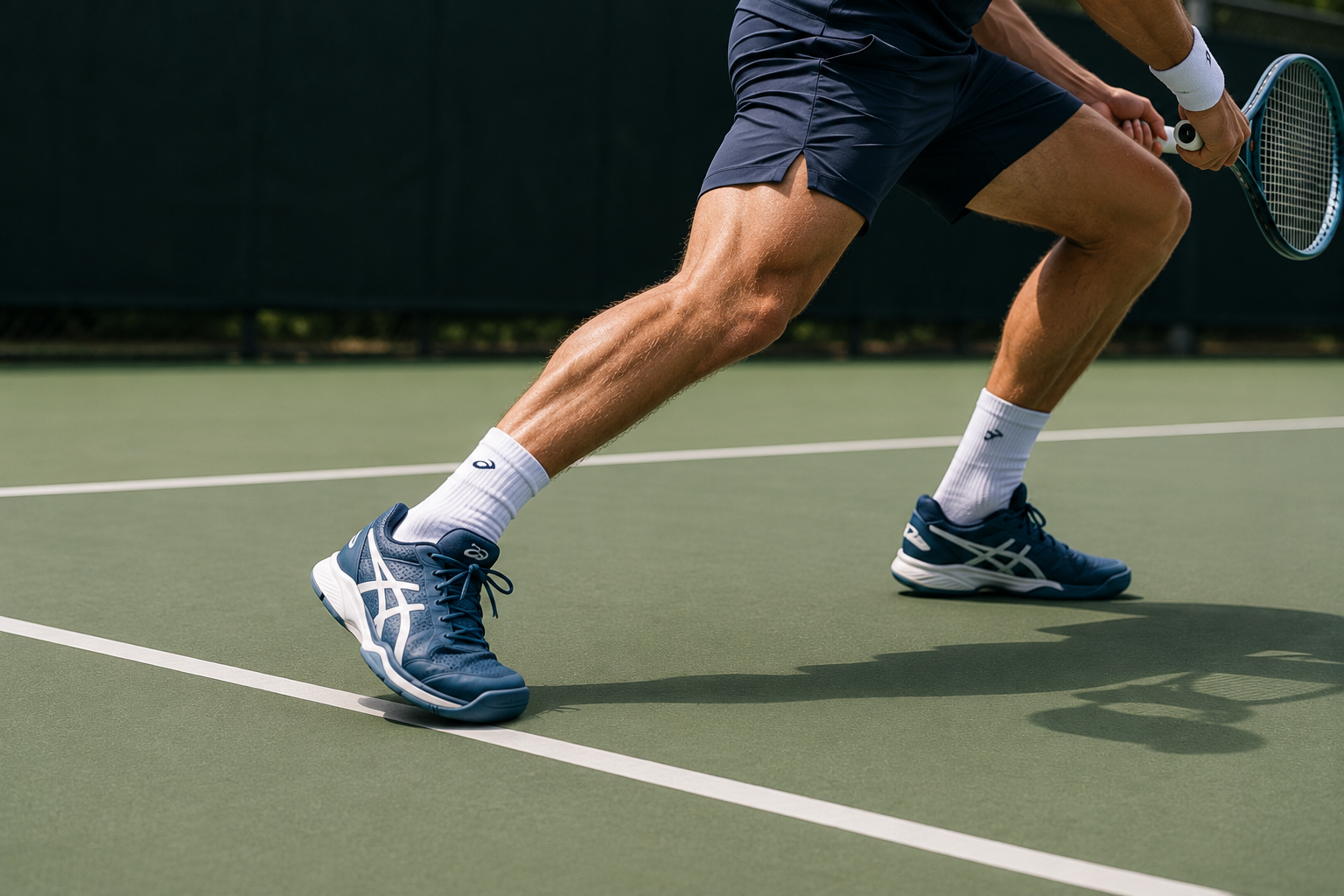
You are not just running forward. You are stopping, starting, sliding slightly, changing direction, reaching sideways, and pushing off the court again and again. Tennis shoes are built for that kind of movement. Regular trainers usually are not.
The quick answer
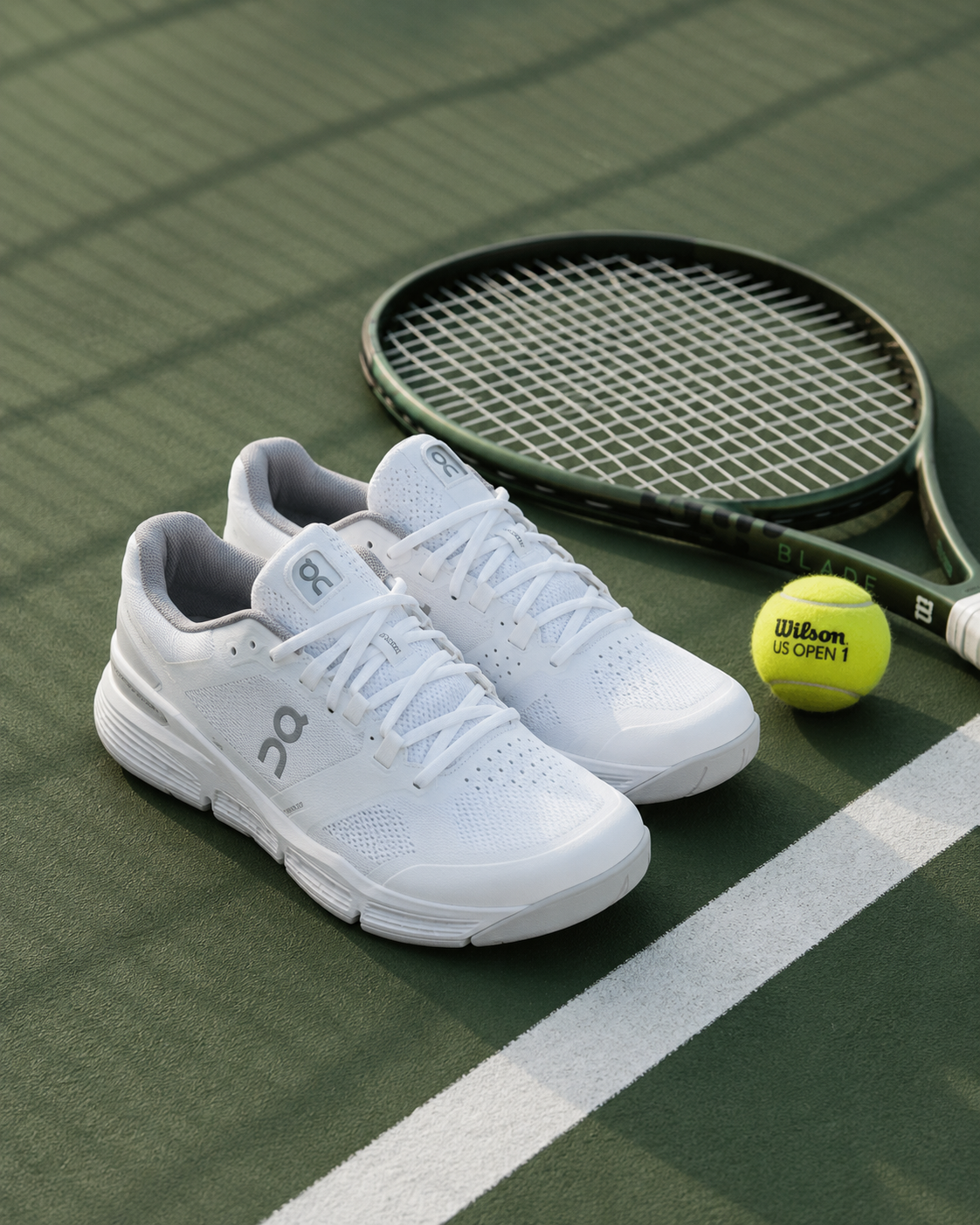
If you are going to play tennis more than once or twice, buy tennis shoes or court shoes.
Regular trainers can be fine for walking, gym workouts, or casual exercise, but tennis involves repeated side-to-side movement. That means your shoes need more lateral support, better court grip, and enough stability to help you stop and change direction safely.
For beginners, the goal is not to buy the most expensive pair. The goal is to choose shoes that feel secure, comfortable, and suitable for the court surface you are playing on.
Tennis shoes vs regular trainers: the main differences
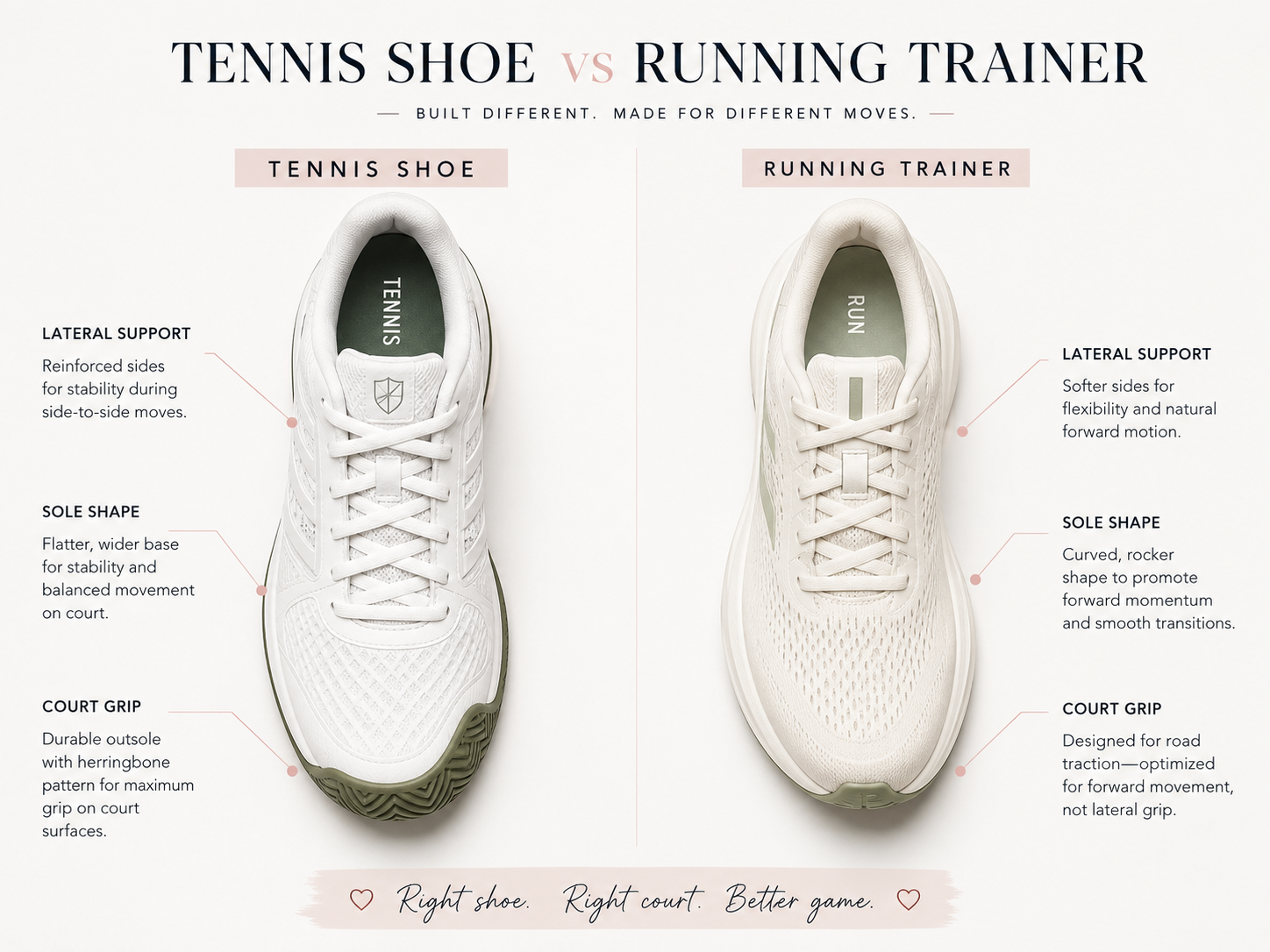
The biggest difference is movement. Regular trainers are usually designed for general fitness, walking, gym classes, or light exercise. Running shoes are mostly designed for forward motion. Tennis shoes are designed for the way you actually move on a tennis court.
That means tennis shoes usually have:
- More side-to-side support
- A flatter and more stable base
- A tougher outsole for court surfaces
- Better grip for stopping and changing direction
- Reinforced areas around the toe and sides
- Less of the soft, high cushioning you often see in running shoes
A regular trainer may feel comfortable when you walk around, but comfort is not the only thing that matters on court. You also want stability.
Why tennis movement is different
Tennis looks graceful from far away, but the movement is actually quite demanding. During even a beginner lesson, you may:
- shuffle sideways
- move forward for short balls
- recover back to the middle
- push off one foot quickly
- stop suddenly after a shot
- turn your hips and shoulders while your feet are planted
- reach wide for balls that are not perfectly fed to you
This is why shoes matter. Your feet are doing more than simply carrying you around. They are helping you balance, stop, recover, and prepare for the next ball. A shoe that feels fine for walking may feel unstable when you start moving sideways.
Can you wear running shoes for tennis?
Running shoes are not ideal for tennis.
They are usually designed for forward movement, with cushioning that helps absorb impact as you run in a straight line. That can be great for jogging, but less helpful when you need to move laterally. The main issue is that many running shoes have a taller, softer sole. On a tennis court, that can feel unstable when you move sideways or stop quickly. The upper may also lack the support needed to keep your foot secure during side-to-side movement.
For a very first beginner lesson, if the pace is gentle and you have no other option, clean running shoes may be okay temporarily. But they should not be your long-term tennis shoes.
If you are only testing tennis once, wear the most stable clean trainers you own. If you are signing up for lessons, buy tennis shoes.
What about gym trainers?
Gym trainers can be slightly better than running shoes if they have a flatter base and more side support. But they still may not be built for tennis courts.
The problem is durability and grip. Tennis courts can wear down the outsole of regular trainers quickly, especially on hard courts. Some gym shoes also do not grip properly on court, which can make movement feel awkward or slippery.
If your gym trainers are flat, supportive, clean, and non-marking, they may work for an introductory session. But once you are playing regularly, tennis-specific court shoes are the better choice.
What makes tennis shoes different?
Tennis shoes are designed around court movement.
1. Lateral support
This is the big one. Tennis shoes help support your foot when you move side to side. That matters because many tennis movements happen laterally, not just forward and backward.
2. A stable base
Tennis shoes usually feel lower and more stable than many running shoes. This helps when you stop, turn, and change direction quickly.
3. Durable outsole
Hard courts can be rough on shoes. Tennis shoes are made with outsoles that can handle repeated court contact better than many everyday trainers.
4. Court-specific grip
Tennis shoes are designed to grip the court without sticking too much. You want traction, but you also need to be able to move smoothly.
5. Toe and side reinforcement
Beginners often drag their toes slightly during movement, serves, or lunges. Tennis shoes often have stronger material around high-wear areas.
Does the court surface matter?
Yes. The best shoe depends partly on where you play.
Hard court
Most beginners play on hard courts. If you are unsure, choose hard-court or all-court tennis shoes. These are usually the most practical starting point.
Clay court
Clay-court shoes often have a different tread pattern to help with grip and controlled sliding. If you regularly play on clay, clay-specific shoes can help.
Grass court
Grass-court shoes are more specialised and not usually the first thing a beginner needs unless your club specifically requires them.
Indoor court
For indoor courts, check the club rules. Some require clean, non-marking shoes. If you are unsure, ask before your first lesson.
For most new players, the safest shopping phrase is "all-court tennis shoes" or "hard-court tennis shoes."
What beginners should look for in tennis shoes
You do not need the most technical pair on the market. You just need a pair that supports beginner movement well. Look for:
- A secure fit around the heel
- Enough room at the toes without sliding around
- Good side support
- A stable, not overly tall sole
- A court-appropriate outsole
- Comfortable cushioning
- A non-marking sole if your club requires it
- A style you will actually want to wear
Try them on with the socks you plan to wear for tennis. Walk, lunge, and move side to side if you can. If your foot slides around inside the shoe, that is not a good sign.
How should tennis shoes fit?
Tennis shoes should feel secure but not tight.
Your heel should not slip when you walk. Your toes should have a little room, but your foot should not slide forward when you stop. The midfoot should feel supported, especially when you move side to side.
If you are between sizes, try both. Tennis involves quick stops, so a shoe that feels fine standing still may feel too loose once you move.
A good test: lace the shoes properly, then do a few small side steps. Your foot should feel held in place.
Do beginners need expensive tennis shoes?
No.
You do not need the most premium pair for your first lesson. But you should avoid flimsy fashion trainers or very soft running shoes if you are going to play regularly. A good beginner tennis shoe should be:
- stable
- comfortable
- suitable for your court
- within your budget
- durable enough for regular lessons
Once you know you enjoy tennis, you can upgrade based on what you care about most: comfort, speed, support, cushioning, or style.
Beginner-friendly brands to know
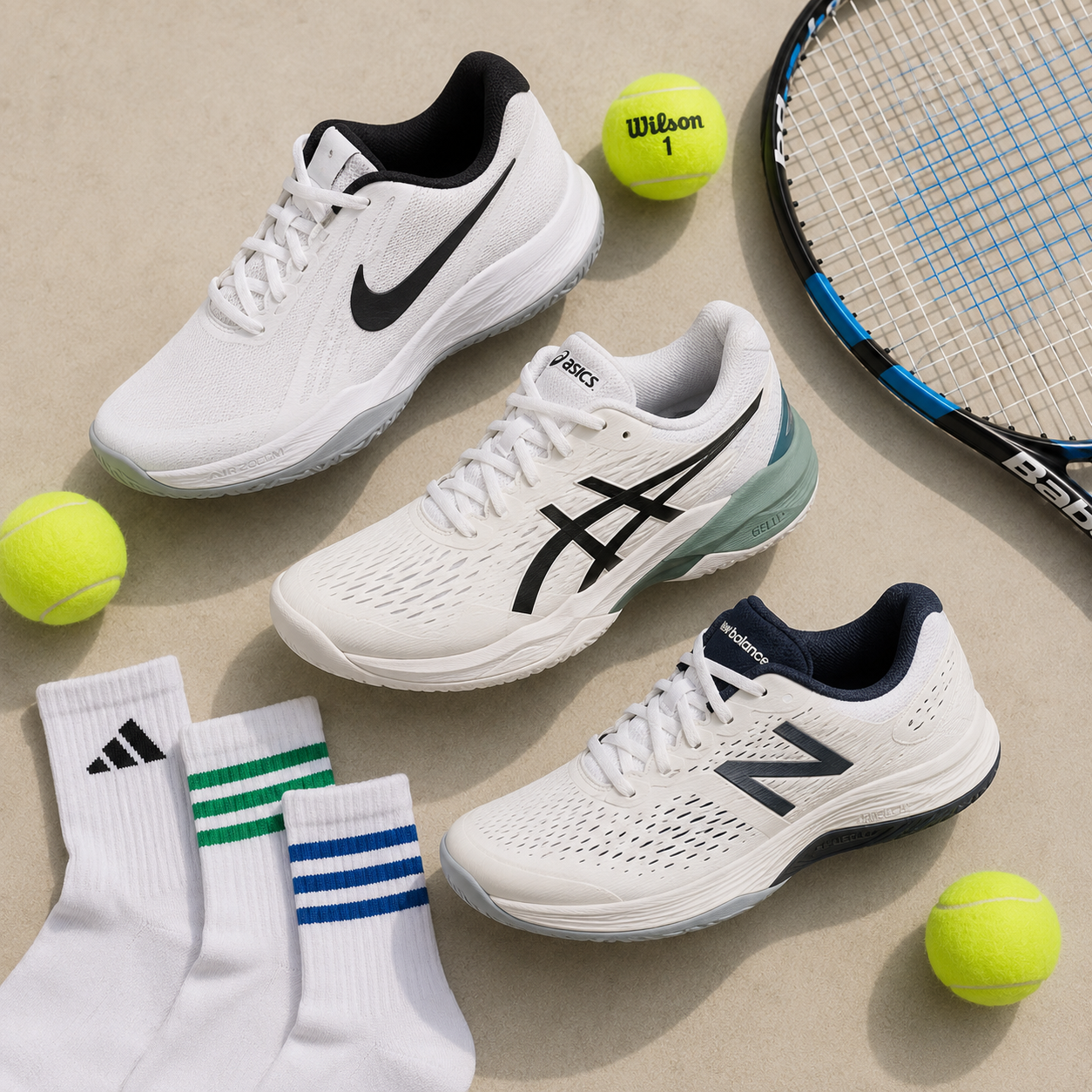
You do not need to buy from a specific brand, but it helps to know where to look. Common tennis shoe brands include:
- Nike
- Adidas
- Asics
- New Balance
- K-Swiss
- Wilson
- Babolat
- Head
- Fila
- Decathlon / Artengo
Different brands fit differently, so the best tennis shoe is the one that feels stable and comfortable on your foot.
What not to wear on a tennis court
- Fashion sneakers with little support
- Very soft running shoes with tall soles
- Worn-out trainers with no grip
- Shoes that slip at the heel
- Shoes with soles that mark the court
- New shoes that feel stiff or painful
- Any shoe you are worried about damaging
You do not need to look perfect. You do need to feel secure when you move.
So, can you wear regular trainers for your first tennis lesson?
If it is your very first lesson and you are not ready to buy tennis shoes yet, wear the most stable clean trainers you own. Choose the pair with the best side support and least slippery sole.
But if you plan to continue, tennis shoes are one of the smartest early purchases you can make. Compared with racquets, outfits, bags, and accessories, shoes affect how comfortable and secure you feel on court almost immediately.
Simple beginner checklist
Before your first lesson, ask yourself:
- Are my shoes clean enough for the court?
- Do they feel stable when I move sideways?
- Does my heel stay in place?
- Do my toes have enough room?
- Is the sole grippy but not slippery?
- Are they allowed at the club or court?
- Could I wear them comfortably for a full hour?
If you answer no to several of these, it may be time to look for proper tennis shoes.
Final note
Tennis shoes are not about looking like a professional. They are about making beginner movement feel safer, steadier, and more comfortable.
If you are trying tennis once, do not panic. Wear clean, supportive trainers and enjoy the lesson. If you are planning to keep playing, invest in tennis shoes before you start buying extra outfits, bags, or accessories. They are one of the few beginner purchases that genuinely changes how you feel on court.
For the rest of your first lesson setup, read: